Live Scan vs. Ink Fingerprinting: Which Do You Need?
If you’ve been asked to get fingerprinted, you may have noticed there are two common methods: Live Scan fingerprinting and traditional ink fingerprinting. While both serve the same purpose—capturing your fingerprints for identity verification and background checks—they are used in different situations.
Understanding the difference can help you schedule the right type of appointment and avoid unnecessary delays.
What Is Live Scan Fingerprinting?
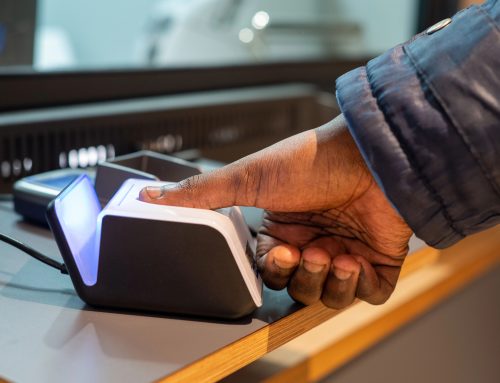
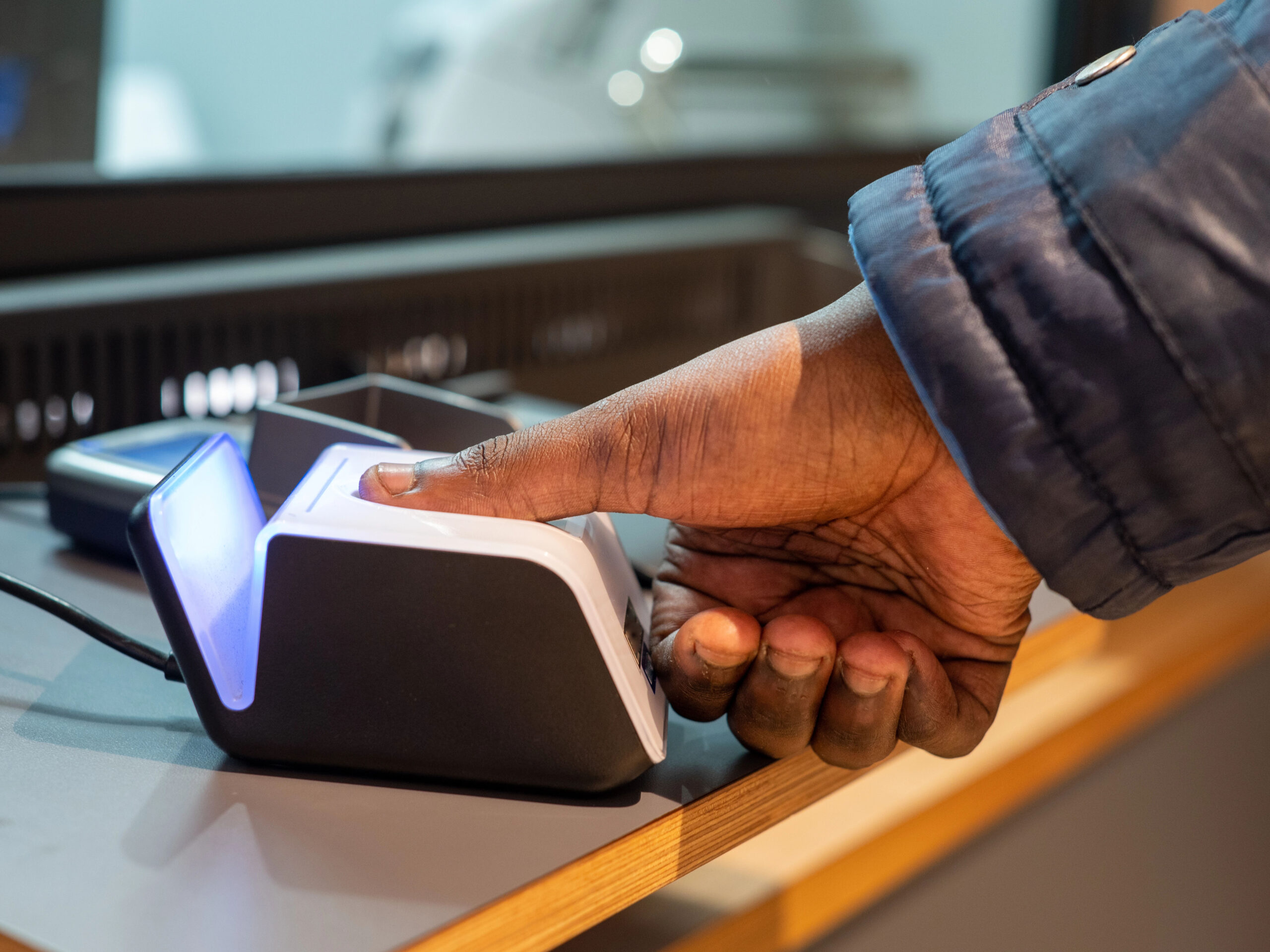
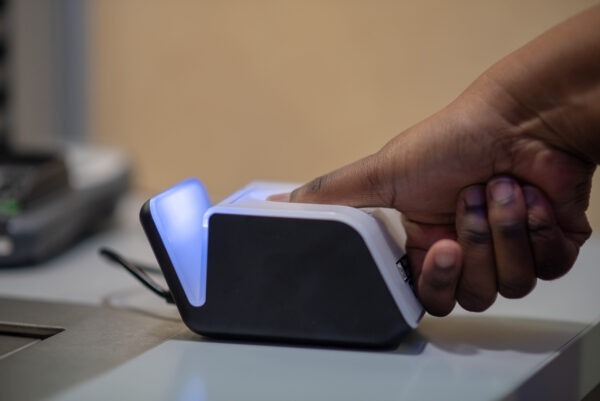
Live Scan fingerprinting is a digital process that captures your fingerprints electronically using a specialized scanner. Instead of using ink and paper, your fingerprints are scanned and securely transmitted to the requesting agency.
Live Scan is the preferred method for many government agencies because it is:
- Fast and efficient
- Highly accurate
- Less prone to smudging or errors
- Electronically submitted for quicker processing
In Florida, Live Scan is commonly required for:
- Healthcare professionals
- Nurses and physicians
- Teachers and school employees
- Real estate agents
- Child care providers
- Security guards
- Insurance agents
- Mortgage loan originators
- Many state licensing boards
Most Live Scan appointments take less than 15 minutes from start to finish.
What Is Ink Fingerprinting?
Ink fingerprinting is the traditional method of rolling each finger onto a fingerprint card, usually the FD-258 Fingerprint Card.
Although digital technology has become more common, ink fingerprinting is still widely used when fingerprints must be mailed to an agency rather than submitted electronically.
Ink fingerprinting is often required for:
- FBI Identity History Summary requests
- Federal employment
- Immigration applications
- Out-of-state licensing
- Professional licensing in states that do not accept electronic submissions
- International background checks
- Personal record reviews
Because the fingerprints are physically placed on a card, it’s important that each print is clear and free of smudges.
College in Virginia, looked up one of the more obscure Latin words, consectetur, from a Lorem Ipsum passage, and going through the cites of the word in classical literature, discovered the undoubtable source.
Key Differences
| Live Scan | Ink Fingerprinting |
|---|---|
| Digital fingerprint capture | Fingerprints rolled using ink |
| Electronic submission | Physical fingerprint card |
| Faster processing | Processing depends on mailing time |
| Lower chance of rejection | Greater chance of smudging if not completed properly |
| Common for Florida licensing | Common for FBI, federal, and out-of-state requests |
Which One Do You Need?
The answer depends entirely on the agency requesting your fingerprints.
You will typically receive instructions that specify:
- Whether Live Scan or ink fingerprinting is required
- Your ORI Number (if applicable)
- The agency that will receive your fingerprints
- Any required fingerprint card or forms
If you’re unsure, our team can help you determine which service is right for your situation before your appointment.
Tips for a Successful Fingerprinting Appointment
To help ensure the best possible fingerprint quality:
- Bring a valid government-issued photo ID.
- Know your ORI number if you’re completing a Live Scan.
- Wash your hands before your appointment.
- Avoid cuts, heavy lotions, or substances that may interfere with fingerprint quality.
- Arrive a few minutes early with any paperwork provided by the requesting agency.